

Tida Thai Massage
Zurich - Schaffhauserplatz
Thai Massage at Schaffhauserplatz – Rotbuchstrasse 8, 8006 Zürich
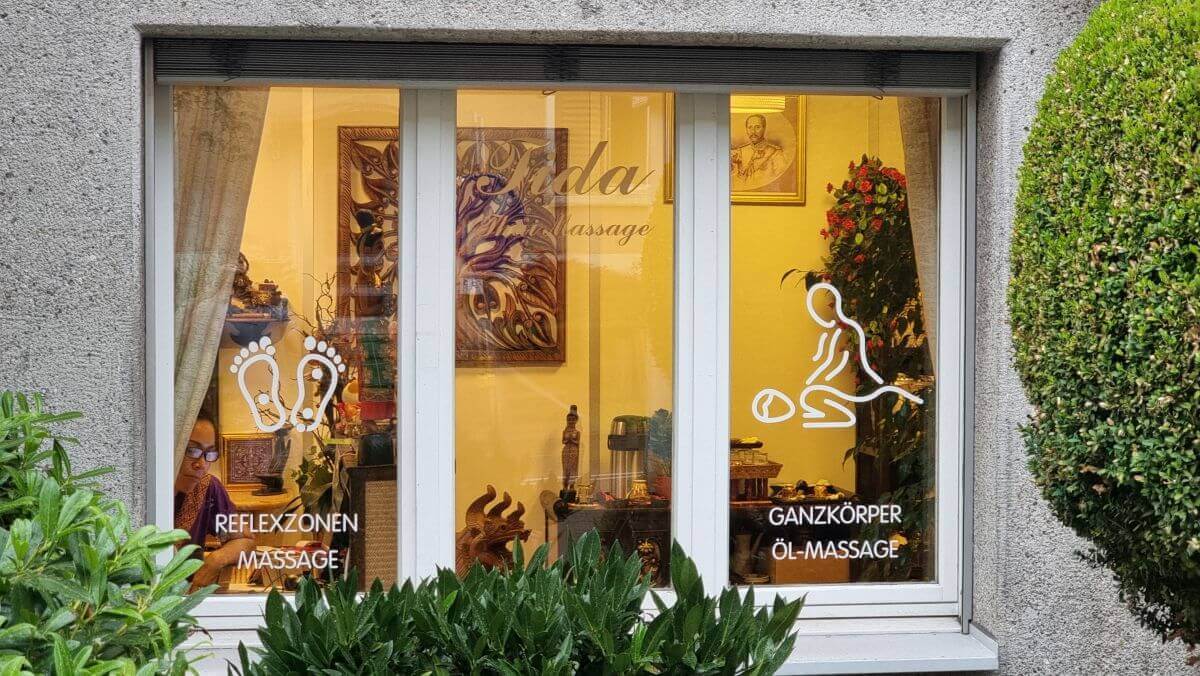
switch off • unwind • releave pain


Massage Services - Zurich Schaffhauserplatz
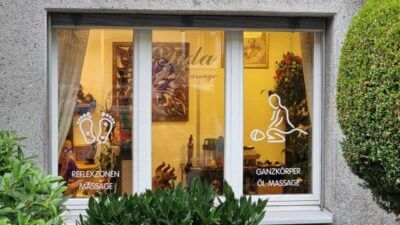
Oil Massage
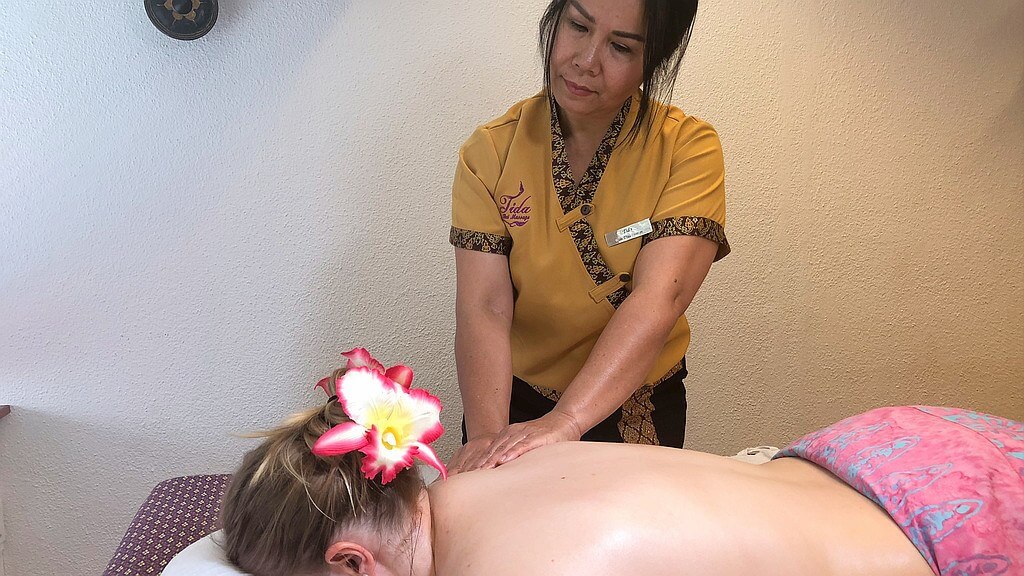
Gentle to firm full-body massage with warm oil. Individually tailored in pressure and focus on specific problem areas. Choice of different oils for maximum relaxation.
Back and Neck Massage
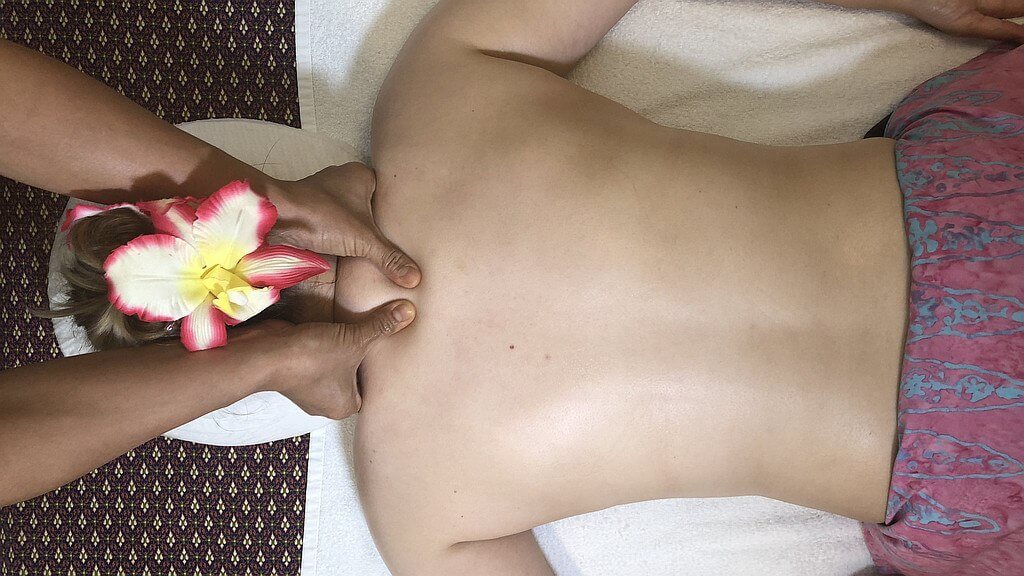
Deep-acting massage for the back and neck. Noticeably greater freedom in the shoulder and neck area. Pressure and focus individually tailored — ideal for office and desk work.
Traditional Thai Massage
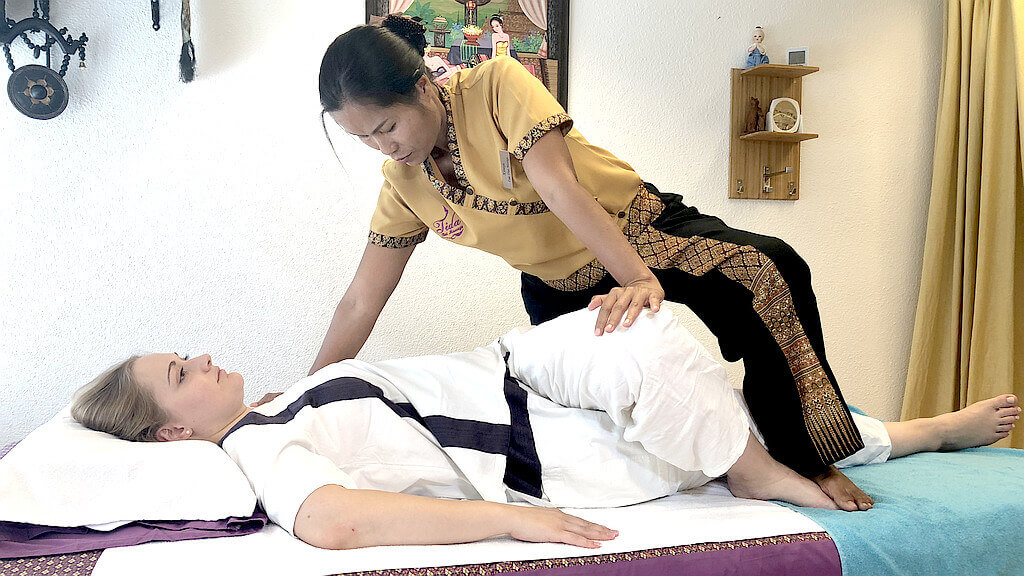
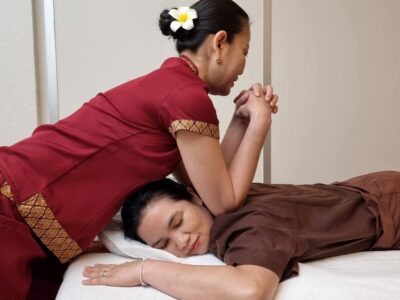
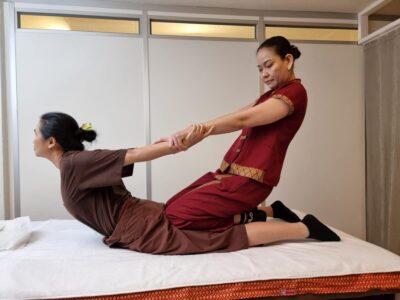
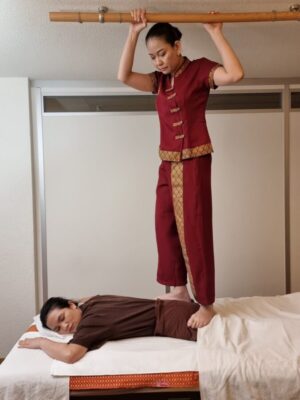
Traditional Thai massage with stretching techniques to mobilise and activate the body. Individually adjusted pressure and intensity. Treatment along the SEN energy lines.
Reflexology
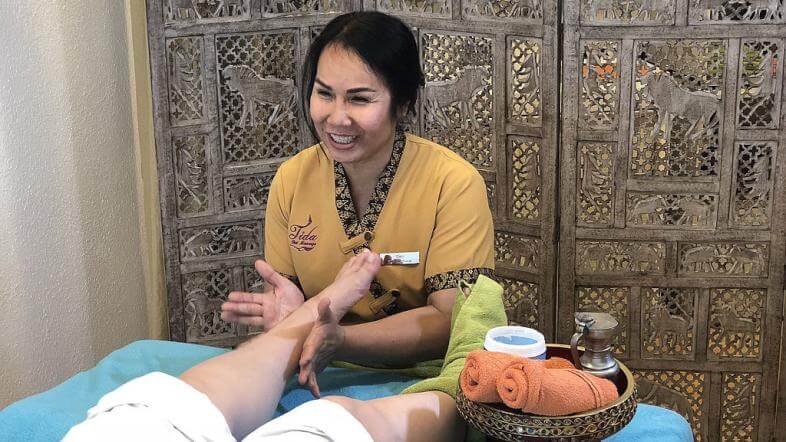
Tired, tense feet after a long day? Targeted reflex point stimulation relieves tension and supports inner balance. Calves and legs included.
Couples Massage
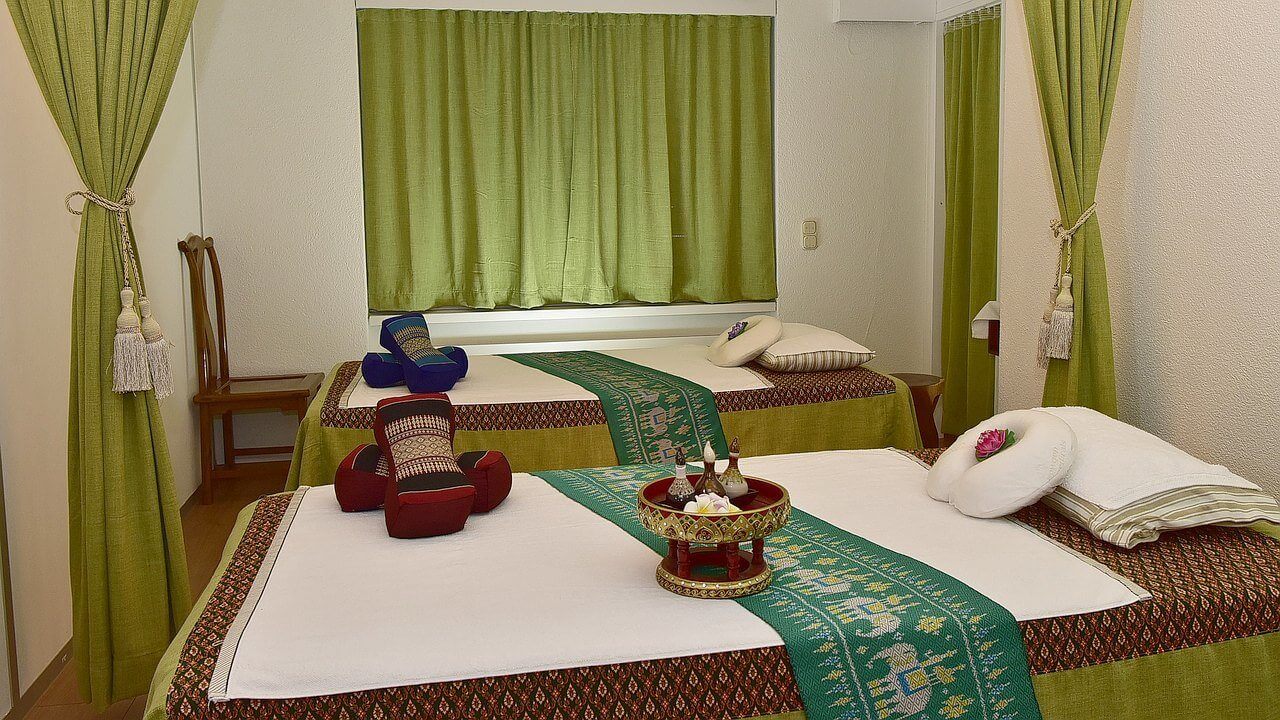
A hectic daily routine, little shared downtime — at work and at home.
Relaxing together creates lightness, reduces stress, and strengthens your connection.
Concessions & Special Rates
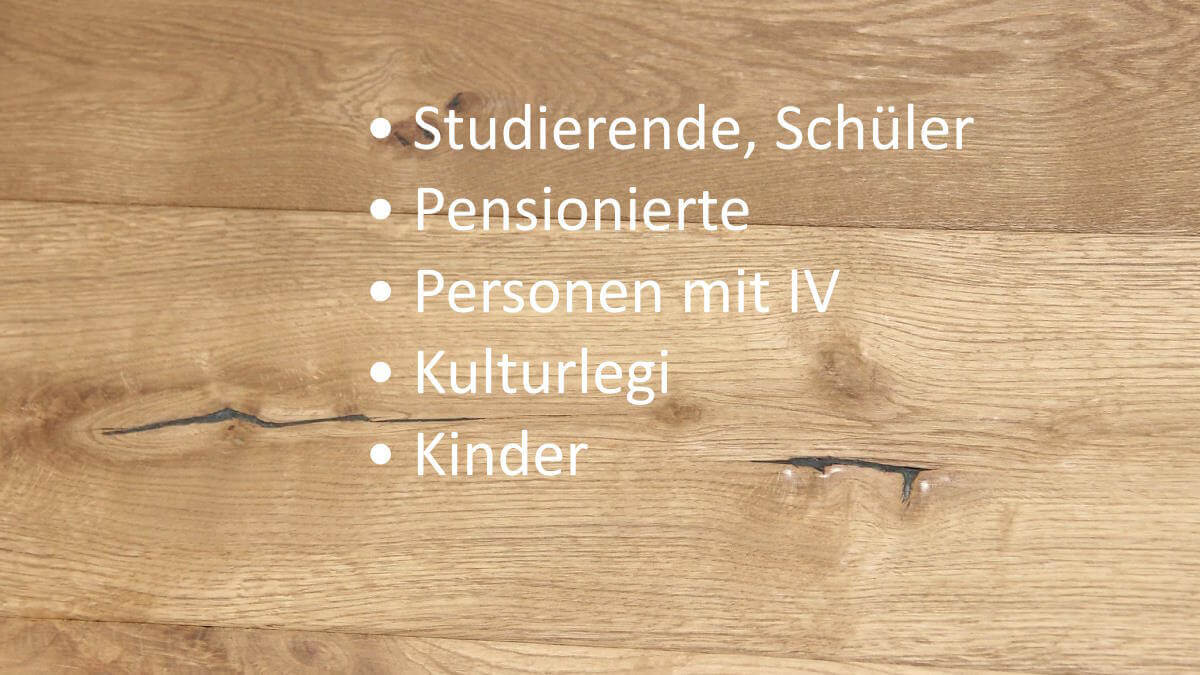
Soothing massages at reduced rates for eligible clients with valid ID.
Available Monday to Friday.
Pricing Zurich - Schaffhauserplatz
Standard-Pricing
duration [min.] | price [CHF] |
|---|---|
30 Min. | 65.- |
60 Min. | 120.- |
90 Min. | 175.- |
120 Min. | 230.- |
price per person
Special-Pricing (see notes below)
duration [min.] | price [CHF] |
|---|---|
30 min. | 55.- |
60 min. | 105.- |
90 min. | 155.- |
120 min. | 205.- |
Mo-Fr: Retired, Disabled, Kulturlegi, Students % |
|---|
Mo-Fr: all massages start 10:30 "earlybird %" |
Mo-Sa: Aktionen: z.Z. keine |
extras | price [CHF] |
|---|---|
Bio-coconut-oil | 20.- |
Aroma-oil | 10.- |
extra strong massage 30/60/90/120 Min. | 10.-/20.-/30.-/40.- |
Payment options at location
You can pay with a variety of : credit card / debit card (Visa / Mastercard), Googlepay/ Applepay , Posfinance Postcard, Twint, and Cash. In addition our vouchers are valid (write the voucher number in the notes field when making a reservation).
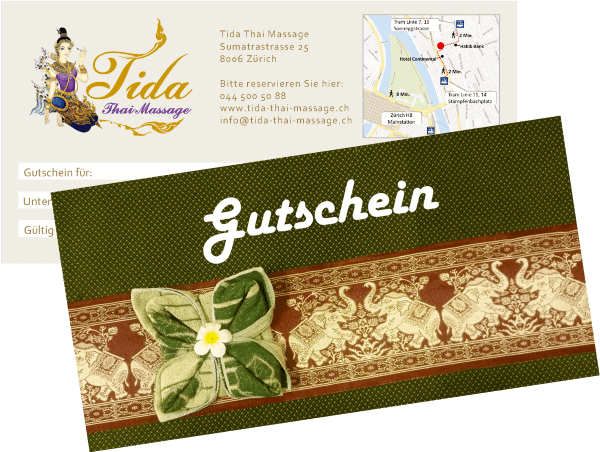
Gift the feeling of relaxation. Massage vouchers available from CHF 65.– or even less for students, seniors (AHV) or
Kulturlegi card holders.
Directions Zürich - Schaffhauserplatz location
Public transport, by foot
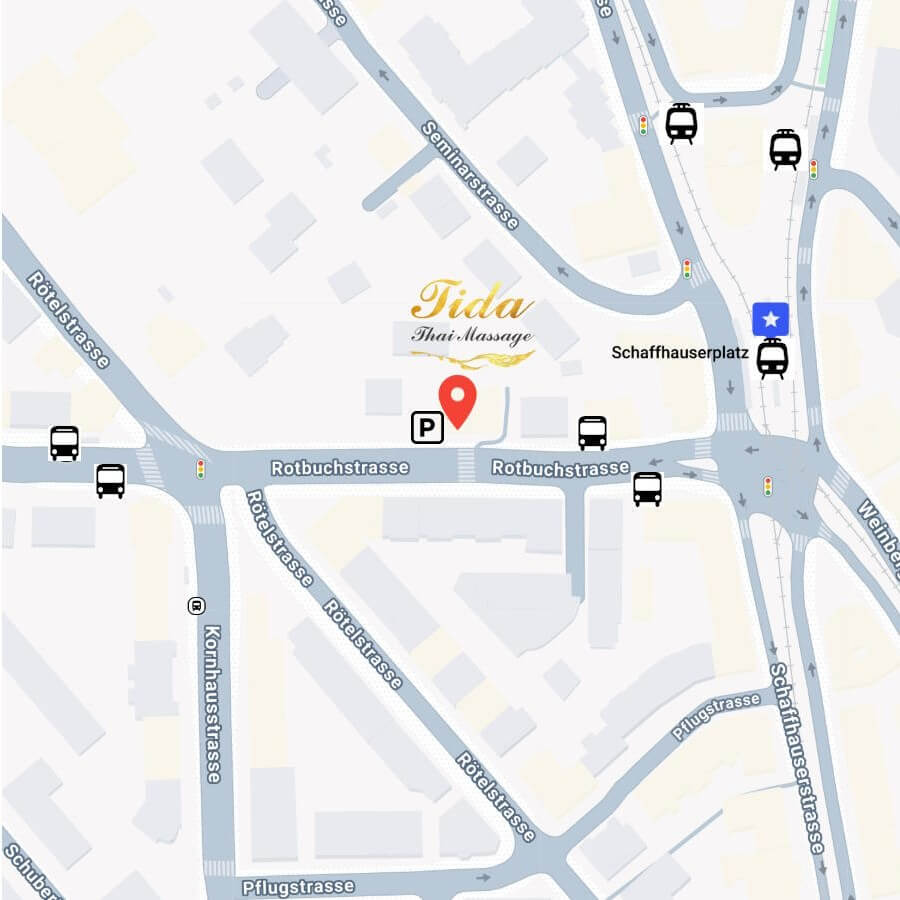
Tram stops Schaffhauserplatz
Tram 50
Tram 51
Tram 17
Bus stop Schaffhauserplatz
Bus stop Rotbuchstrasse
Customer parking - advance notice recommended
Our customer parking space is located directly alongside the building and marked.
Our adress
Tida Thai Massage
Sumatrastrasse 25
8006 Zürich
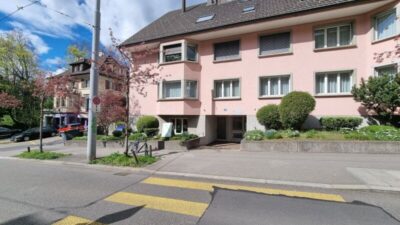
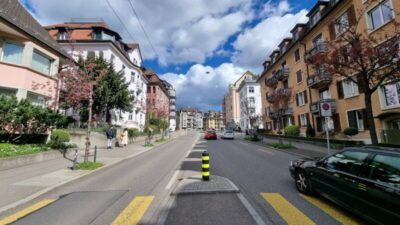
Entrance to location Schaffhauserplatz - Rotbuchstrasse 8
Directions via Google Maps
click or tap on "bigger map" - with the routing planner you will find us easily.
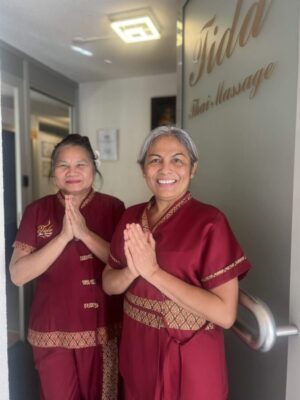
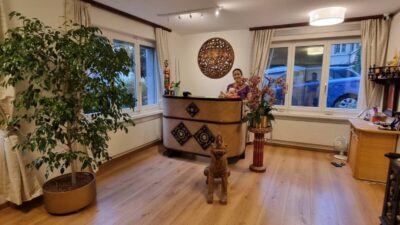
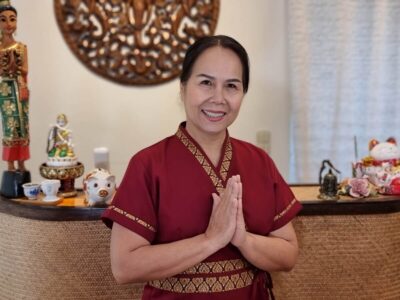
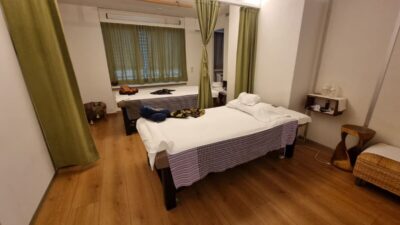
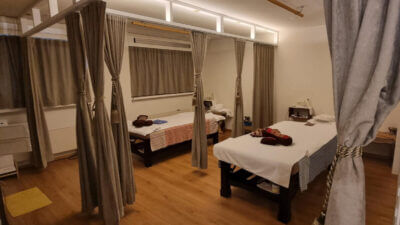
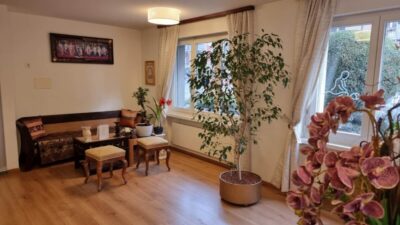
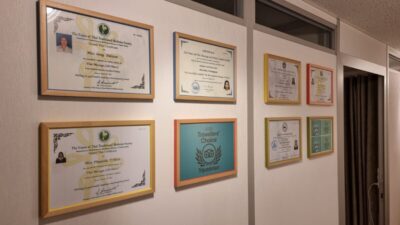
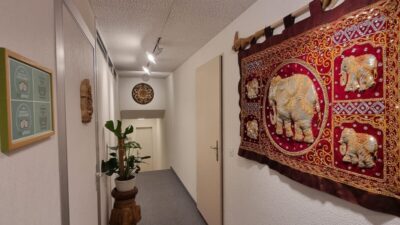
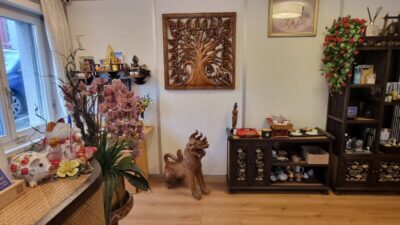
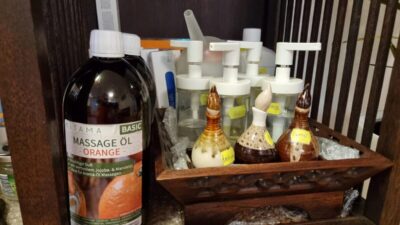
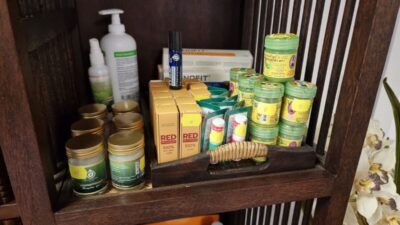
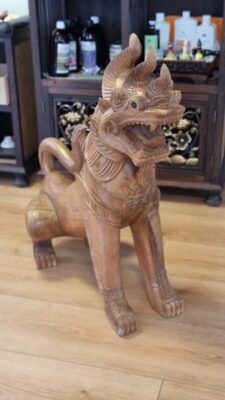
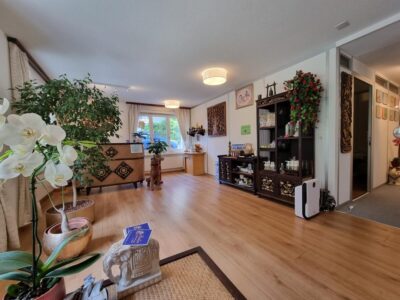
Location Schaffhauserplatz - Pictures

FAQ
Are the massages given in separate rooms?
Our premises are as follows:
Zurich HB (Main Station) @ Sumatrastrasse 25:
One room with three separate sections, each with blackout curtains.
Zurich Schaffhauserplatz (Rotbuchstrasse 8):
Two rooms, each with two separate sections, each with blackout curtains.
The dividing curtains can be opened as needed.
Is there a shower at Tida Thai Massage ?
No we don't have a shower available. To make yourself fresh a toilet with a small washbowl is there for you. Additionally you get a warm towel to refresh your face and clean your hands after the massage.
Note hygiene: The masseuse will be thankful, if you're not sweaty and bad smelling when you turn up for massage. If you are in doubt of your "odor", just ask us for a refreshment towel for cleaning.
Hinweis zur Öl-Massage: Nach der Behandlung wird überschüssiges Öl mit warmen Tüchern entfernt. Ein feiner Ölfilm bleibt auf der Haut zurück und sorgt für ein geschmeidiges Gefühl. Wenn du das nicht möchtest, kannst du zuhause duschen.
Does my health insurance pay for a massage ?
Yes, it is possible to get money back from the health insurance company. However, we are not registered as recognized complementary medical therapists with ASCA / EMR. What does that really mean now? The simple answer is that it depends on your insurance solution, which unfortunately requires a little more clarification. Here is our experience of when you have a chance of getting your money back:
good chance…
if you have a (modern) supplementary insurance that supports health-promoting / preventive services. For example, the list of the supplementary insurance “COMPLETA PRAEVENTA” at Swica contains over 100 entries with various services. Although the Thai Massage is not included, we have received feedback from customers that they get refunds.
(small) chance…
if you have an additional insurance for complementary medicine. As a rule, an ASCA / EMR registered therapist is required here (we are not registered). However, some health insurances are generous, a request can never hurt. You may also be able to find out whether there are inexpensive supplementary insurances that support preventive services.
no chance…
if you do not have any (private) supplementary insurance, i.e. only so-called basic coverage according to KVG (Health Insurance Act).
Conclusion: In any case, it is a good idea to ask the health insurance company whether and under what conditions a (partial) reimbursement of the treatment costs will take place. Supplementary insurance can be taken out from various providers independently of the basic insurance. We will be happy to provide you with a receipt for the reimbursement request.
We'll be happy to send you a PDF receipt that you can forward to your insurance company. Please make a note of this when making your reservation, or simply ask your masseuse.
When should you avoid to have a massage ?
- severe mental and neurologial disease
- rheumatic illness with inflamation of important joint and/or muscles
- severe heart disease (e.g. coronal heart disease with Angina pectoris attack, or danger from previous heart attack)
- severe vascular disease (e.g. deep blood vessel inflammation of the legs with danger of thrombosis)
- recent surgery or bone fracture
- acute infection or high fever
- extensivley inflamed skin desease
- suffering in the late stages of cancer or Aids
- acute fever
What is a Traditional Thai Massage ?
The Traditional Thai massage, the more than 2000 year old healing method is based on the concept of the energy channels in the human body. The technique consists of passive stretching positions, stretching movements, pressure point massages and mobilization of joints.
The positions performed are very similar to yoga, but are performed passively by the masseuse. The traditional Thai massage is therefore often referred to as Thai yoga massage in the West. The therapist applies gentle but specific pressure to certain parts of the body with her hands, knees, elbows and feet.
The massage eliminates disorders in the muscle tissue and increases the activity of the metabolism. In contrast to the western understanding of massage, Traditional Thai Massage contains more than just mechanical processing of the muscles, so it is also taken into account that the body has an energetic network with ten energy lines according to Ajurvedic teachings.
The meaning of the Thai name for TTM "Nuad Phaen Boran" is translated as "ancient touch healing" according to the effect.
Which complaints can be treated ?
- sleep disorder, restlessness at night
- mental and emotional distress
- indispostion, moderate feeling of illness
- muscular tension and stiffness
- headache and neck pain
- back pain (many problems of the spine are diminished by Thai-Massage)
- lack of energy, lethargy
- digestive problems, loss of appetite
